
September 6, 2024
Trovo per caso su YouTube una meravigliosa registrazione del mio solo ed unico Maestro, Milan Horvat, che dirige nel 2006 con l’Orchestra Filarmonica di Zagreb l’ottava sinfonia di Anton Bruckner (che io dirigerò la settimana prossima a Tokyo con l’Orchestra della NHK). Mi commuovo molto, e mi rendo conto di quanto fosse grande il Maestro soprattutto in questo repertorio: equilibrio, forma, precisione, e soprattutto modestia: mai mettere se stessi in primo piano e sempre al servizio del compositore e della sua opera. La registrazione è del 2006, quando il Maestro aveva 87 anni; lui dirige da seduto, ma a memoria. Incredibile. Ricordo ancora tutto quello che lui ci diceva nelle sue lezioni.
I accidentally found on YouTube a superb recording of my one and only Maestro, Milan Horvat, conducting Anton Bruckner’s Eighth Symphony in 2006 with the Zagreb Philharmonic Orchestra (I will perform the same symphony next week in Tokyo with the NHK Orchestra). I was very moved, and I realized how great the Maestro was, especially in this repertoire: balance, form, precision, and above all, modesty: never putting oneself in the foreground and always at the service of the composer and his work. The recording is from 2006, when the Maestro was 87 years old; he conducts sitting down but from memory. Incredible. I still remember everything he told us in his lessons.
September 4, 2024
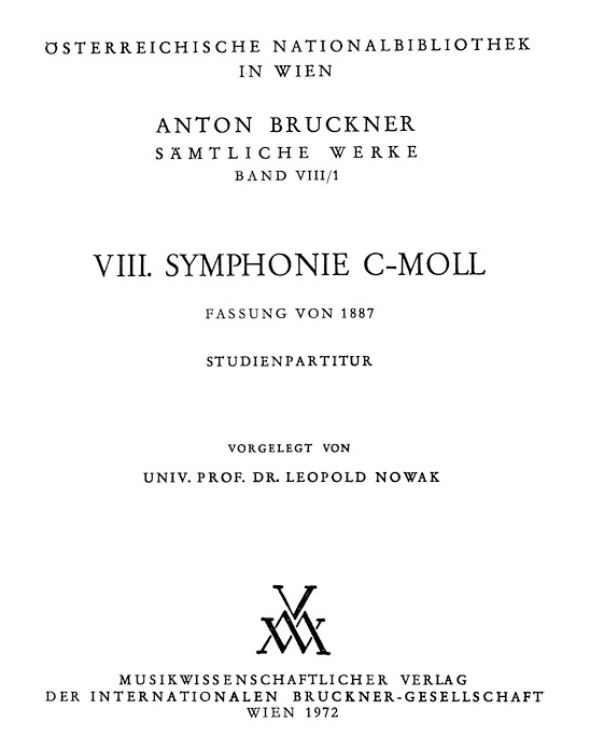
I have conducted and still perform both versions of Bruckner’s Symphony No. 8. The 1887 version (Urfassung) has a longer Adagio, which Bruckner unfortunately cut in the 1890 version. The coda of the first movement in the 1890 version is a beautiful, lyrical, and soft farewell (a different character than the triumphant closing in the first version). Scherzo and Trio are different. Hard choice. However, since I conducted the 1887 version for the first time some 15 years ago, the Adagio in the 1890 version seems to have been “cut” and lacks the proper proportions. Yes, it’s a tough choice. But I don’t want to miss this Adagio of the 1887 version.
Soon, the 1887 version with the NHK Symphony Orchestra in Tokyo.
I also recorded the 1887 version with Philharmonia Zurich.

“Heimito von Doderer – Eine biographie in Bildern,” by Eva Menasse

September 1, 2024
Es klingt merkwürdig, dass eine sehr liberale und politisch engagierte Autorin wie Eva Menasse über einen eben aus politischen Gründen umstrittenen Schriftsteller wie Heimito von Doderer ein Porträt voller Bewunderung und sogar Liebe schreibt. Das ist offensichtlich eben der Liebe für einen der persönlichsten, originellsten und grossartigsten Literatur-Künstlern des Nachkriegs geschuldet, und dem Unverständnis über die Tatsache, dass dieser grossartige Schriftsteller heute so gut wie vergessen ist. Hinterlässt die kalt-objektive Doderer-Biographie von Wolfgang Fleischer einen bitteren Geschmack, die offensichtliche Bewunderung von Eva Menasse balanciert das aus, aus der Sicht, und dem Respekt, einer Schriftsteller-Kollegin.
It sounds strange that a very liberal and politically committed author like Eva Menasse would write a portrait full of admiration and even love of a writer like Heimito von Doderer, who is controversial for political reasons. This is obviously due to her love for one of the greatest, most personal and original literary artists of the post-war period, who, due to a lack of understanding, is as good as forgotten today. Wolfgang Fleischer’s cold, objective biography of Doderer leaves a bitter taste, but Eva Menasse’s evident admiration balances this out from the perspective and admiration of a fellow writer.

August 30, 2024
My youngest son often complains about not having enough friends. He belongs to Generation Z (born in 1997), for which it seems to be a common problem. I understand the seriousness of this, and I try to help him by telling him that the quantity of friends is not paramount, but the quality is. Secondly, I share my personal experience: I only have maybe 4 or 5 friends, all of them for at least 30 years: friends undergo a hard selection in life. And finally, I sent him an interesting article from the Washington Post: Making new friends can be hard
It’s a difficult issue, I see, and it’s very difficult for me to help, but this problem has been around for ages, and it needs life experience, patience, and also a lot of energy and strength, especially when we know, from a longer experience, that real friends cannot be many.

August 28, 2024
Together with his 9th Symphony, Gustav Mahler’s masterwork Das Lied von der Erde is somewhat enigmatic; not a symphony, not a song cycle, not a cantata, with the unbelievable, incredible, essential “Der Abschied” as probably the highest point in Mahler’s work. Soon, to be performed in Copenhagen with the Danish National Symphony Orchestra. On the program is another Farewell Symphony, Schubert’s immortal and no less enigmatic “Unfinished” symphony.
“A Beginner’s Guide to Japanese Tea,” by Per Oscar Brekell

August 20, 2024
I thought I was familiar with basic tea knowledge: the difference between Chinese and Japanese tea, black and green, sencha and matcha, and the different ways to prepare it. I was wrong. Reading this book, a real science opened to me — mysterious and fascinating. It is excellent reading and a fantastic journey into the art of knowing, preparing, and drinking Japanese tea.
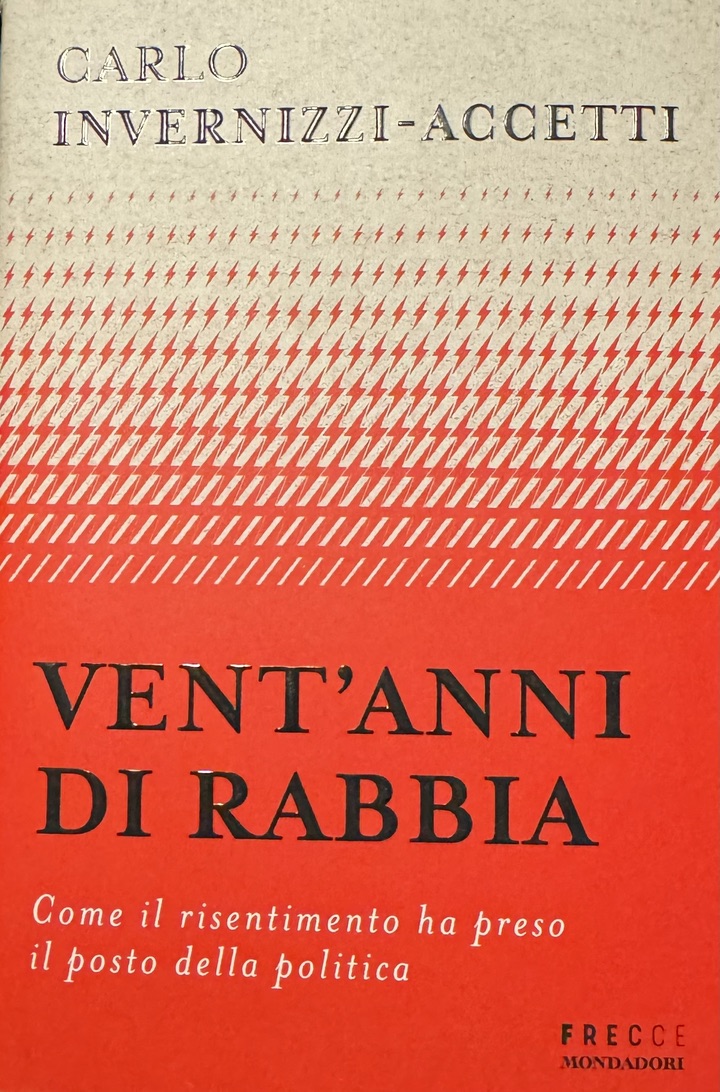
“Vent’anni di rabbia,” by Carlo Invernizzi-Accetti
August 20, 2024
Splendida analisi socio-politica sui motivi della nascita di tanti movimenti populisti, mossi da una intrinseca rabbia verso l’establishment. Senza giudicare, ma indagando spietatamente, si parte dal significato della parola “rabbia”, riportandola ad origini omeriche. Dall'”ira funesta del pelide Achille”, e dai suoi significati, fino al fenomeno dei “Gilets jaunes”, dell'”uno vale uno”, dei no-vax. Un libro che si legge splendidamente, che vuole spiegare ragioni, che stimola riflessioni e giudizi – ma che si astiene dal prendere posizione.

August 15, 2024

A small, nice tour to Taiwan with the NHK Symphony Orchestra, conducting Tchaikovsky’s 5th Symphony and Bruch’s Violin Concerto with Paul Huang. Sorry for putting the cover of this beautiful, old recording by Mravinsky and the Leningrad Philharmonic (even if I make different tempo and phrasing choices)… But Mravinsky could be so essential, intense, straight to the core, especially in his late years—a conductor I love and admire.
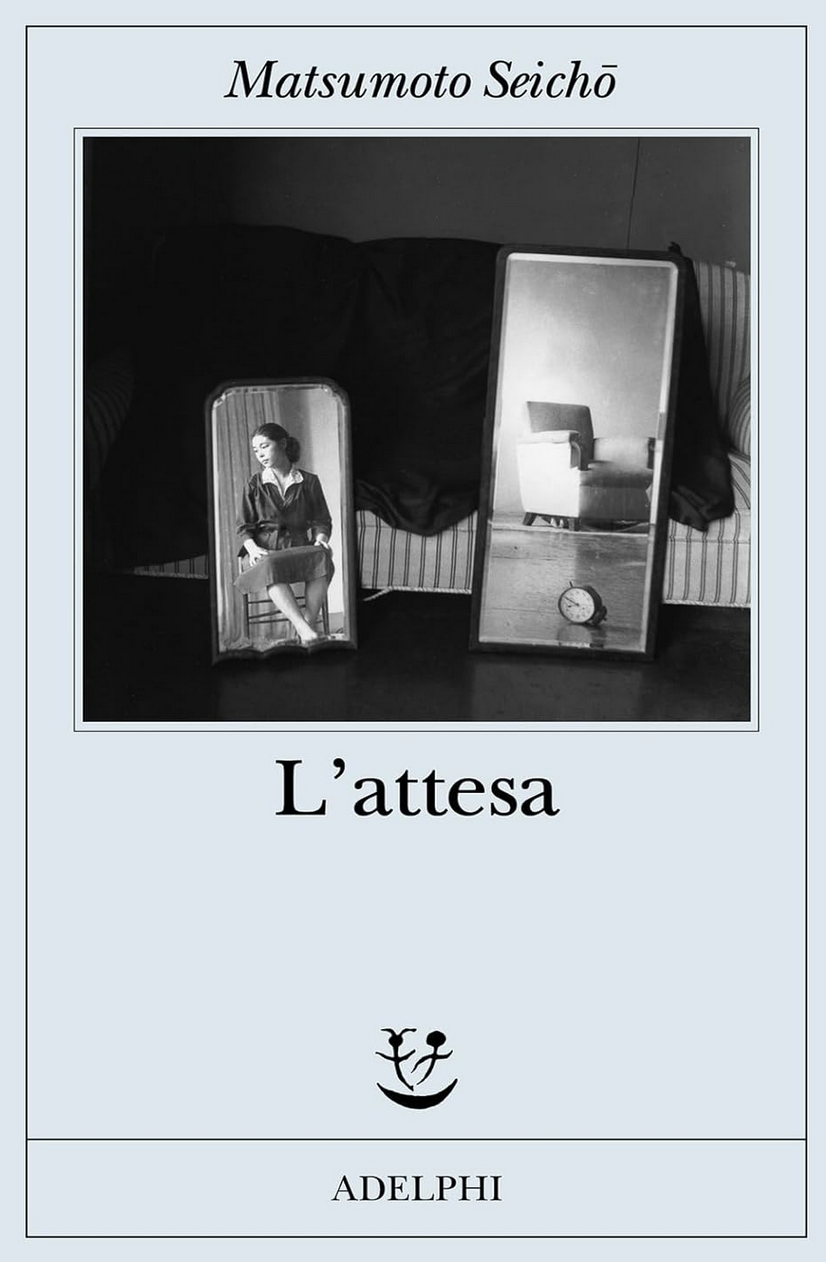
“Tsuyokiari,” by Matsumoto Seicho
August 10, 2024
Grande romazo, originariamente pubblicato a puntate nel 1970 in un periodico giapponese, dell’autore che viene considerato il Georges Simenon dell’estremo oriente. Matsumoto Seicho ci porta nell’anima e nei pensieri dei suoi personaggi, quelli positivi e quelli negativi, senza dichiararsi di parte e senza giudizi: le loro azioni vengono quindi scarnificate ed acquistano cosí uno spessore a volte crudele, ma sempre autentico, che rende la trama non solo credibile, ma anche vicina al lettore.
It is a great novel, initially published in installments in 1970 in a Japanese periodical by the author, who is considered the Japanese Georges Simenon. Matsumoto Seicho takes us into the souls and thoughts of his characters, the positive ones and the negative ones, without declaring himself biased and without judgments. Their actions are therefore stripped down and acquire a depth that is sometimes cruel but always authentic, which makes the plot not only credible but also close to the reader.

August 10, 2024

With the wonderful Philadelphia Orchestra at the Saratoga Performing Arts Center.
Total Views: 339Daily Views: 0